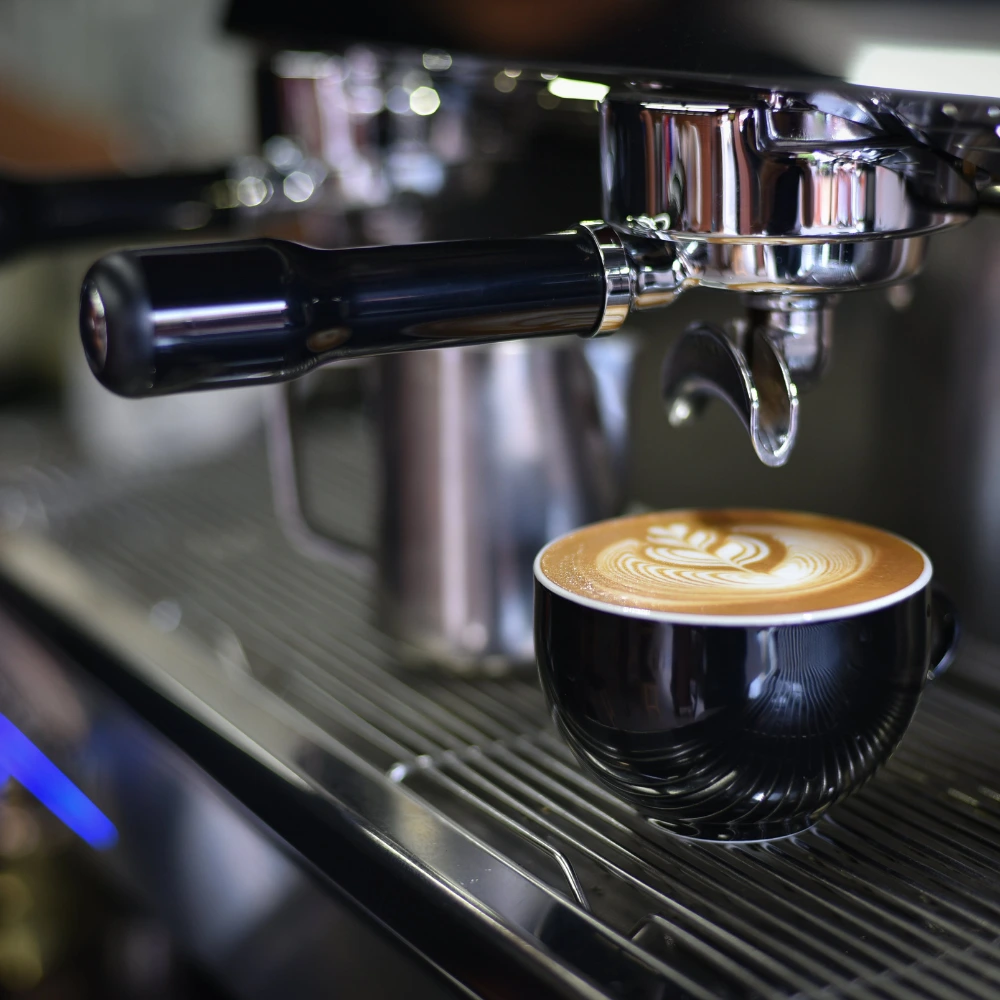

How to Set Up a Coffee Service Step-by-Step
Key Takeaways
Set Up a Coffee Service that creates a welcoming, productive atmosphere for your business—whether in an office, hotel, or healthcare environment. These actionable insights guide you through every stage, ensuring your station is convenient, sustainable, and showcases premium Lavazza quality
- Define your service model early to match workspace needs—choose from self-serve drip, bean-to-cup, or full espresso to balance convenience, volume, and experience.
- Pick a highly visible, accessible location; place stations in high-traffic zones like lobbies or break rooms to maximize participation and reinforce hospitality.
- Size and select commercial equipment based on daily cup volume; invest in water filtration to boost machine lifespan and flavor, with 85% of offices preferring drip or bean-to-cup machines for simplicity.
- Plan infrastructure for safety and compliance; ensure dedicated power, proper drainage, and certified equipment to meet Canadian health codes and reduce maintenance risks.
- Create a streamlined workflow with defined zones—brewing, supplies, customization, waste—to increase speed, accessibility, and brand impact while preventing bottlenecks.
- Stock the right consumables and supplies—offer Lavazza coffee, multiple milk options, and compostable cups; review usage logs regularly to avoid shortages or waste.
- Establish clear routines and checklist protocols for brewing, refills, and cleaning; assign designated “Coffee Champions” to keep your station running smoothly all day.
- Prioritize regular cleaning and sustainable practices; a spotless setup extends equipment life by up to 30%, protects your brand, and supports workplace wellness.
Implementing these strategies elevates every coffee moment at work. Dive into the full guide for step-by-step details and unlock a coffee service solution your team and guests will love.
Introduction
Imagine this: your guests arrive expecting an ordinary lobby coffee, only to discover a barista-quality Lavazza station—fully stocked, spotlessly tidy, and designed for effortless self-serve or staff service.
In Canadian businesses, the right coffee service does more than just fuel the day—it becomes a powerful driver for productivity, client satisfaction, and team morale. Yet, nearly 60% of companies admit their coffee setup is outdated, inconvenient, or frequently out of order, costing valuable time and diminishing first impressions.
What if you could transform your space with a coffee experience that is premium, sustainable, and incredibly convenient—without disrupting daily operations or breaking your budget?
Whether you operate a bustling office, a guest-focused hotel, or a busy healthcare facility, mastering your coffee service delivers immediate advantages:
- Quality, café-level beverages that rival local coffee shops
- Time-saving convenience with seamless setups and minimal maintenance
- Reliable technical support and supply management from trusted partners
- Sustainable options that align with your organization’s values
With the pace of business accelerating and staff expectations rising, there’s never been a better time to modernize your coffee service—and turn a simple cup into an everyday highlight.
In this step-by-step guide, you’ll find everything you need to create a tailored, scalable coffee solution for your unique space: from choosing your ideal service model to workflow design, equipment selection, and best-in-class maintenance practices.
Curious which model fits your business best or how to avoid the most common pitfalls? The first decision you make here will shape the experience for every person who interacts with your station—let’s start by defining what the perfect coffee service looks like for you.
Determining Your Coffee Service Model
Choosing the right coffee service model is your first—and most important—decision when setting up a commercial coffee station. The right approach shapes every aspect of your service, from equipment to daily routines.
Across Canada, most businesses gravitate towards one of three models:
- Self-serve drip station: Ideal for office break rooms, clinics, or lounges with all-day access and low touchpoints
- Bean-to-cup or pod machine: Perfect for busy offices seeking consistency, variety, and push-button convenience
- Full espresso service: Suited to upscale hotels or premium hospitality spaces, offering barista-quality specialty drinks
“Your model drives everything: equipment costs, staffing, even how your team interacts with the coffee station.”
Evaluating the Best Model for Your Space
Every environment—workplace, hotel, or healthcare—has unique needs. Consider these factors before making a choice:
- Daily volume: Estimate cups per day (e.g., a 50-person office may need 100–150 cups)
- Staff expertise: Self-serve machines need minimal training, while espresso service requires barista skills
- Space availability: Smaller spaces favor compact pod setups; larger areas accommodate robust drip or espresso stations
- User preferences: Do your guests prefer artisan espresso, or is speed the priority?
Visualize your morning: Does your team grab a quick cup and go, or do people gather to socialize over premium drinks? The answer often reveals your best fit.
Pros and Cons by Environment
Each model has strengths and tradeoffs. Here’s how they typically perform:
- Self-serve drip:
- Benefits: High volume, low cost-per-cup, quick self-serve
- Limitations: Minimal customization, limited drink options
- Bean-to-cup/pod:
- Benefits: Variety (espresso, cappuccino, hot water), minimal mess, consistent results
- Limitations: Slightly higher cost per cup, regular supply monitoring
- Full espresso service:
- Benefits: Café-level beverages, premium experience, potential revenue for hotels/cafes
- Limitations: Highest equipment costs, skilled staffing, more space required
Picture this: In a medical clinic, a sanitized, hands-off bean-to-cup machine streamlines operation. For a boutique hotel, a trained barista and gleaming espresso machine add five-star appeal.
Real-World Examples and Trends
Canadian offices commonly install bean-to-cup machines for speed and variety. Boutique hotels often invest in full espresso stations for guests wanting barista-crafted drinks. Many growing companies now offer both drip and capsule options to satisfy different preferences—showing a trend toward flexibility and convenience.
The key takeaway: Define your core model based on real workplace needs, not just trends. A clear service approach ensures your investment delivers daily “wow” moments for every guest or employee.
Preparing Your Coffee Service Location
The right location is the foundation of a seamless, inviting coffee service. For Canadian workplaces, hotels, and healthcare environments, placement can make or break participation rates.
Start by choosing a spot that’s easy to find and access—think high-traffic areas like:
- Bright office break rooms where teams naturally gather
- Welcoming lobbies for guest-first impressions
- Client lounges or multi-use collaborative spaces
Picture this: a strategically placed station greets employees at the start of their day, or guests as they step off the elevator, setting a tone of hospitality.
Infrastructure Essentials for Daily Efficiency
Every successful coffee setup relies on a few non-negotiables:
- Dedicated power outlet: No extension cords snaking across walkways
- Nearby water source: Ideally, a plumbed line; at minimum, close access for refills
- Sturdy counter or commercial cabinet: Big enough for your brewer, supplies, and safe movement
For pod and bean-to-cup systems, a clean, level counter prevents spills and ensures machines operate smoothly.
Accessibility, Flow, and Professional Appeal
The best stations work for everyone, every time. Optimize yours by:
- Placing all supplies (cups, lids, sweeteners) within arm’s reach
- Leaving at least 36 inches of clearance for wheelchair access and easy movement
- Using clear, branded signage or organizing bins for easy navigation
A visually appealing setup—dark wood counters, white surfaces, the signature Lavazza blue—signals premium quality and care.
Cleanliness, Safety, and Sustainability Built In
Professional first impressions start with spotless surfaces and clutter-free organization. Integrate smart practices like:
- Quick-dry mats under machines and milk to contain spills
- Closed waste bins nearby for swift cleanup
- Branded, compostable cups or recycled napkins to highlight sustainability
Safety matters, too: ensure cords are tucked safely away, drip trays are emptied regularly, and hot surface warnings are visible.
Setting Up for Lasting Success
A thoughtfully prepared location makes every cup feel special, not routine. By prioritizing convenience, safety, and brand presentation, your coffee station becomes a hub of productivity and hospitality.
The best coffee stations don’t just serve coffee—they elevate daily routines while reflecting a commitment to quality and care.
Selecting and Sizing Core Brewing Equipment
Matching Your Equipment to Your Business Needs
Choosing the right commercial-grade brewing equipment sets the tone for your coffee service and directly impacts daily satisfaction.
Start by estimating how many cups you’ll serve at peak periods—whether that’s 30, 100, or 250+ cups per day shapes every equipment decision.
Picture this: a busy lobby at 8 a.m. expects speed, convenience, and a line that never forms. Your choice of setup makes or breaks the experience.
Main Equipment Types and Their Commercial Roles
Most Canadian businesses choose from these core options:
- Drip Coffee Brewers: Reliable, easy to use, can brew large batches quickly.
- Bean-to-Cup or Pod Machines: Push-button, consistent quality, minimal training, wide beverage selection.
- Espresso Machines: Perfect for spaces with a barista, offer the full range of espresso drinks for that “café” feel.
85% of offices opt for drip or bean-to-cup for simplicity and reliability.
Sizing for Capacity and Peak Times
Select models with:
- Brewing speed aligned to your busiest hour (e.g., 10-12 cups at once for meetings).
- Programmable timers to ensure fresh coffee during peak flow.
- Thermal carafes or airpots to keep coffee hot without burning.
Larger teams (100+) may require two machines side by side or a high-capacity bean-to-cup unit.
Water Filtration: The Secret to Longevity and Taste
An often-overlooked step: install a quality water filtration system.
- Extends equipment lifespan by reducing scale.
- Enhances coffee flavor and aroma—water is 98% of every cup.
- Contributes to sustainability by minimizing equipment failures and waste.
Poor water quality is the leading cause of machine breakdowns—clear filtered water pays back fast.
Premium Brands, Lavazza Partnership, and Support
When investing in equipment, prioritize:
- Brands with proven reliability and service networks (e.g., Lavazza-branded machines).
- Access to technical support and scalability for when your demand grows.
- Compatibility with premium Lavazza products for elevated taste and consistent results.
“Your coffee is only as good as your machine and the team supporting it”—a popular saying and a guiding principle at Perfected Coffee.
Key Takeaway
Choosing the right size and type of brewing equipment is the foundation of any professional coffee service.
A thoughtful selection now ensures dependable operation, happy users, and a premium coffee experience every day—all while setting you up to grow seamlessly alongside your business needs.
Infrastructure and Safety Planning
Start with Electrical Load and Protection
A safe and reliable coffee service starts with the basics: making sure your electrical setup can handle the demands of professional equipment.
Check the amperage of each coffee machine and ensure circuits can support simultaneous use—many commercial brewers draw over 1500W and need a dedicated outlet.
Use surge protectors or appliance-grade power bars for added safety.
If in doubt, consult a certified electrician before installation.
“An overloaded circuit can turn a coffee perk into a power outage—always check your numbers first.”
Water Supply: Choices, Pros, and Cons
Choosing your water source will impact both the taste of your coffee and the longevity of your machines.
You have three main options:
- Plumbed-in filtration systems: Provide unlimited filtered water; ideal for high-demand areas, but require installation and connection to a water line.
- 5-gallon bottled water with dispenser: Simple and movable, but labor-intensive to refill—consider if your location lacks plumbing access.
- Manual reservoirs: Suited for smaller offices; easy setup, but require frequent top-ups and may not deliver the consistency that Lavazza coffee deserves.
Water that’s too hard can double scale buildup inside machines, so always invest in proper filtration or softening.
Canadian Compliance and Health Safety
Every public- or staff-facing coffee zone must meet local Canadian health codes.
Typical requirements include:
- Use of NSF/UL-EPH certified equipment.
- Proper cleaning/sanitizing routines.
- Drainage and, for some municipalities, access to a 3-bay sink.
Check with your local health authority before finalizing your design—compliance prevents costly shutdowns.
Workplace Safety Essentials
Even a simple coffee station brings new safety risks.
Cover essentials to keep everyone safe:
- Place visible hot surface warnings on machines and carafes.
- Use non-slip mats or area rugs near the service zone.
- Provide accessible spill clean-up kits (towels, wet floor signs).
- Ensure walkways stay clear and cords are tucked away.
- Keep lids on all waste and liquid containers.
“Picture this: a freshly mopped floor sparkling under café lights—simple details prevent accidents and protect your team.”
Focus on Environmental Impact
Modern Canadian companies prioritize energy efficiency and sustainability.
Look for:
- Machines with automatic energy-saving modes.
- Collection points for compostable cups and waste separation.
- Reduce single-use plastics by supplying bulk condiments or switching to plant-based materials.
A sustainable coffee setup doesn’t just save resources; it signals care for employees, guests, and the planet.
Choosing the right infrastructure is a mix of technical need and thoughtful safety. Plan ahead, and every pour will be smooth, safe, and reliably delicious.
Designing the Coffee Station Workflow and Layout
Creating a coffee station that feels effortless starts with thoughtful, intuitive design tailored for commercial and workplace settings.
Think of your station as a user journey—each step should feel natural, fast, and enjoyable, whether serving a busy office during the morning rush or welcoming guests in a hotel lobby.
Zoning for Efficiency: The Backbone of Great Coffee Service
Break your coffee station into clearly defined “zones” to keep everything organized and speedy:
- Brewing Zone:
- Central location for your main machine (drip brewer, bean-to-cup, or espresso).
- Close proximity to a water source and essential power outlets.
- Supply/Stock Zone:
- Store stacks of cups, lids, stirrers, napkins, and sleeves within arm’s reach.
- Extra coffee, filters, and back-up supplies stored underneath or in nearby cabinetry.
- Customization Zone:
- Offer milk (regular, skim, non-dairy), sugars, sweeteners, flavor syrups, and condiments in easy-to-clean dispensers.
- Drip trays or mats protect surfaces and reduce cleanup.
- Waste Disposal Zone:
- Convenient, labeled bins for cups, lids, and recycling to keep the area clean and clutter-free.
Accessibility, Speed, and Flow
Prioritize accessibility for everyone—include counter heights and open access points suitable for all users, including those with wheelchairs or mobility devices.
Streamline flow to minimize bottlenecks, especially during peak periods:
- Place essential items in sequence: cups → brewing station → customization → waste bin.
- Avoid cross-traffic by keeping entry and exit points clear.
A Harvard study found that rearranging station order can reduce wait times by up to 30%—a simple adjustment with major gains.
Brand Presentation and Visual Impact
Professional, polished details matter:
- Consistent signage—use branded, easy-to-read labels for every item.
- Tidy, minimalist arrangement—keep surfaces clutter-free and restock throughout the day.
- Incorporate brand colors—dark woods, crisp whites, and Lavazza’s vibrant blue create a premium, inviting atmosphere.
Picture this: your clients enter the lobby and immediately notice the upscale, well-organized Lavazza station—no confusion, no lines, just great coffee ready to enjoy.
Actionable Takeaway
A well-designed coffee station is more than functional—it elevates your space, delights users, and reinforces your commitment to quality service. Define clear zones, optimize flow, and anchor everything in your brand identity for a truly memorable coffee experience.
Stocking Consumables and Supplies
Build Your Coffee Service Foundation
Every successful coffee station starts with quality core consumables—the daily essentials your guests count on.
When you stock up, always include:
- Lavazza coffee: offer a range of profiles (light, medium, dark roasts), both regular and decaf
- Appropriate filters for your chosen machine type
- Cups and lids in 1–3 sizes for flexible service
- Multiple sweetener options: sugar, sugar substitutes, flavor syrups
- A selection of milk and cream, including at least one non-dairy choice like oat or almond
Picture a morning where your busy team finds exactly what they need—no last-minute runs to the store, no forgotten staples.
Right-Size for Your Business and Trends
Getting quantities right prevents both shortages and waste.
- For offices, plan on 1.5–2 cups per person per day
- Hospitality and healthcare should review traffic trends; a lobby or waiting area might see 30–50 cups/day per 100 people
- Watch for changing tastes—recent stats show 49% of Canadians now prefer plant-based milks at work
Regularly check usage logs and adapt your orders to fluctuations in demand or seasonal shifts.
Upgrade with Sustainability in Mind
Sustainability isn’t optional—it’s expected.
Make it easy for your business to meet client and staff expectations by:
- Choosing compostable or recyclable cups and lids
- Using locally-sourced or bulk-packaged sweeteners and milk
- Opting for Lavazza Rainforest Alliance–certified blends for both taste and environmental impact
A coffee area with responsibly sourced supplies sends a message: “We care about quality—and the planet.”
Master Organization and Restocking
Keep your entire operation seamless with a few best practices:
- Designate a single, centralized storage area for all supplies
- Use labeled bins or racks for fast inventory scans
- Schedule daily or weekly refill checks—small teams often do best with a shared digital tracking sheet
- Rotate stock so nothing goes stale, and always keep a “weather-proof” backup set of essentials on hand
Proactive restocking means you’ll never be caught without—and you’ll reinforce a feeling of hospitality every day.
The best coffee experiences come down to the details: stock the right supplies, anticipate user needs, and let premium Lavazza quality shine through every cup. Your station will stand out as both a convenience and a workplace highlight.
Establishing Usage, Refill, and Routine Protocols
A reliable coffee service hinges on clear routines and consistent upkeep—this means everyone knows what to do, when to do it, and how to keep coffee flowing all day.
The first step is to create easy-to-follow schedules for brewing, checking supplies, and cleaning. Busy periods like early mornings or mid-afternoon breaks can require extra attention.
Building Simple, Actionable Schedules
Picture this: At 8 a.m., fresh coffee is ready; by 10:30, someone tops up cups, lids, and sweeteners; at noon and 3 p.m., the station is wiped down, and any low supplies are restocked.
Use printed checklists or digital reminders to keep things on track. Many offices set refill checks for:
- Start of the workday
- Mid-morning post-rush
- Early afternoon pick-me-up
- End-of-day clean and close
These timepoints help ensure no one encounters an empty carafe or missing cup when it matters most.
Assigning Responsibilities and Supporting Your Team
Assigning staff or rotating volunteers for refills and station checks brings clarity. A great routine is:
- Designate “Coffee Champions” for each shift or department
- Set clear expectations for brewing, refilling, and cleaning
- Provide quick instructions for troubleshooting (like error lights or water tank refills)
When “everyone” is responsible, sometimes no one is—assign roles for better results.
Guiding Users: Instructions and Visual Cues
Clear, at-a-glance instructions prevent confusion and keep service running smoothly. Use:
- Printed step-by-step guides or laminated cards near machines
- Simple icons for brewing, refilling beans/water, and cleaning
- Visual alerts or checklists for common issues (“If flashing light, refill water tank”)
A one-page guide with pictures beats a wordy manual—keep it visible and simple.
Adapting to Volume and Peak Times
During spikes—think “Friday rush hour” in a lobby or morning surge in healthcare—proactive routines shine. Plan to:
- Pre-brew extra pots or prep backup supplies
- Assign floaters for quick resets or cleanup between heavy use
- Push mobile alerts or sticky notes for real-time issues
Smooth, visible service keeps everyone’s spirits high and the line moving.
A proactive routine prevents downtime, maximizes convenience, and delivers on your promise of premium Lavazza coffee—every time, for everyone. With the right schedules, clear roles, and visual guides, your coffee station becomes a seamless part of the day—never an afterthought.
Implementing Cleaning and Maintenance Best Practices
Cleanliness isn’t just about looks—it’s the foundation of health, safety, and exceptional coffee taste. Research shows that regular coffee station upkeep can extend equipment life by up to 30%, reduce service calls, and ensure every cup matches the premium Lavazza experience your business stands for.
Daily Best Practices for Coffee Stations
A consistent daily routine will keep your workspace and equipment fresh, safe, and inviting. Picture this: cups lined up, surfaces spotless, and that first aromatic brew drawing compliments from every visitor.
Start each shift with these essentials:
- Wipe down machine exteriors and counters—pay extra attention to the milk and syrup stations for spill control.
- Empty and clean airpots/thermal carafes to avoid stale flavor.
- Wash all removable parts (drip trays, brew baskets) with food-safe detergent and let them air dry.
For full espresso service:
- Purge steam wands after each use and wipe portafilters and baskets.
- Empty the knock box—no old grounds here!
“A spotless coffee station is a welcome sign for every employee or guest.”
Weekly and Scheduled Maintenance Routines
To keep your setup running smoothly, plan targeted deeper cleans and checks:
- Run built-in cleaning cycles or backflush espresso machines—manufacturer instructions matter!
- Descale bean-to-cup/pod systems on the recommended schedule (some as often as every 1-2 weeks in hard water areas).
- Use grinder cleaning tablets for burr grinders to prevent flavor transfer.
- Change water filters as advised, or every 3-6 months for best performance.
- Schedule professional servicing to proactively prevent downtime; it’s an investment in reliability for high-volume stations and hotels.
“Regular cleaning is not just maintenance—it’s your brand in action every day.”
Prioritizing Sustainability in Maintenance
Sustainability is the new standard in Canadian workplaces and hospitality.
- Choose biodegradable or NSF-certified cleaning solutions for all equipment.
- Use washable microfiber cloths instead of paper towels.
- Conserve water by batching cleaning tasks and using low-flow nozzles.
Monitor and minimize waste from milk cartons, filters, and single-use items—your guests and the environment will notice.
Key Tools and Product Checklist
Always have these on hand:
- Food-safe detergents and descaler (manufacturer-approved for Lavazza/your chosen brand)
- Brushes, microfiber cloths, and drip tray catch mats
- Grinder cleaning tablets (if using a grinder)
- New water filters and a reminder for replacement dates
One missed clean can affect hundreds of cups—prevention saves time and reputation.
Taking just minutes each day for focused cleaning and planned maintenance protects your investment, keeps staff safe, and ensures every cup meets Lavazza’s high standards. Your coffee station should reflect the pride you have in your business—clean, sustainable, and always ready for the next guest.
Cost Estimation, Tracking, and Optimization
Setting a clear budget is the first step toward a sustainable coffee service. Businesses should be ready for two kinds of costs: initial investment and ongoing operational expenses.
Calculating Startup Costs
Expect to allocate funds for four core areas:
- Commercial equipment: Drip brewer, bean-to-cup/pod machine, or espresso setup ($1,500–$7,000 depending on model and size)
- Infrastructure upgrades: Electrical outlets, water lines/filtration, cabinetry ($250–$2,000)
- Setup labor: Delivery, installation, and any required training (often $300–$800)
- Branding and signage: Professional logo displays or Lavazza partnership visuals ($100–$400)
Picture this: A small office using a Lavazza bean-to-cup machine typically spends $2,500–$4,000 upfront for a reliable, polished setup.
Projecting Recurring Operational Costs
Monthly costs are driven by consumption volume and can be estimated as:
- Coffee & milk/alternatives: $0.35–$1.10/cup on average (50 cups/day = ~$600–$1,600/month)
- Disposables: Cups, lids, stirrers, napkins ($60–$200/month)
- Cleaning supplies & maintenance: Routine cleaning, descaling, filter replacement ($40–$150/month)
- Planned servicing: Annual or semi-annual technician visits (~$250–$350/service)
For larger setups, scale these costs by projected daily volume—100 users per day might double supply needs but won’t always double cleaning cost due to economies of scale.
Monitoring and Optimization Tools
Smart expense management relies on consistent tracking. Use:
- Inventory spreadsheets or digital apps (e.g., Beanstalk, BaristaTech) for real-time monitoring
- Monthly consumption reports from suppliers to analyze trends and avoid over-ordering
- Automated reorder alerts to prevent stockouts or waste
A memorable takeaway: “The data you track today becomes tomorrow’s savings.”
Balancing Cost and Quality
Even with tight budgets, prioritize:
- Reliable equipment (reduces downtime and emergency repairs)
- Premium beans (maintains guest satisfaction and brand reputation)
- Sustainable choices (compostable cups, efficient machines) that meet Canada’s growing eco-expectations, often lowering waste disposal fees
Small changes like right-sizing brews for the time of day or switching to bulk packaging for sugar packets can make a visible impact over a year.
Investing in careful cost analysis means you deliver Lavazza-level quality—without surprise overruns or service gaps. The smartest service operators know that optimizing spend is about delighting your team, guests, and your bottom line—every single cup.
Continuous Improvement Through Feedback and Adaptation
Continuous feedback is the secret to an always-fresh coffee service experience. Picture this: each month, you gather real opinions from employees, guests, or patients and let those voices shape every cup you serve.
Smart, Simple Ways to Gather Feedback
Actively listening is easier than ever with modern tools. Consider these collection methods:
- Quick online surveys delivered to staff and regular guests
- Discreet comment cards placed by the coffee station
- Digital feedback forms accessed via QR code or shared link
One company saw a 25% jump in satisfaction scores after simply adding a QR code for real-time input.
Responding to Changing Preferences
Your users’ tastes change rapidly—keeping up is part of the fun. Stay ahead by tracking requests for:
- Decaf or half-caf options (a growing trend in healthcare and offices)
- Alternative milks like oat, soy, and almond, now 20% of workplace coffee orders
- New flavor profiles or seasonal specials
If three out of ten feedback cards mention “more non-dairy options,” that’s your cue to update your next order.
Using Insights to Refine Your Service
Don’t just gather data—act on it. Easy adjustments include:
- Modifying brew strength for bolder or milder coffee
- Adding or rotating single-origin or specialty Lavazza blends
- Adjusting supply quantities based on peak usage patterns
- Rearranging the station if you notice crowding during morning rush
Several facilities report saving both time and waste by switching to a single, preferred cup size after reviewing daily use logs.
Keeping Your Setup Future-Ready
Successful coffee service isn’t set-and-forget. Plan to:
- Review your setup every quarter for workflow bottlenecks and supply issues
- Schedule “coffee chats” where your team or guests openly share ideas
- Regularly check alignment with employee, guest, and sustainability expectations
“Coffee service that adapts is coffee service that endures.” Picture updating your customization zone with new syrups just as feedback trends hint at growing demand.
Remember: the best workplaces treat feedback as a recipe for better mornings. An adaptable, user-driven station ensures every visitor feels at home—cup after cup.
Connecting With Professional Coffee Service Partners
Partnering with a trusted coffee service provider is the fastest route to elevating your business coffee experience. You gain access to commercial-grade equipment, continuous supply management, and expert technical support—all handled for you, so your team can focus on serving clients and colleagues.
Picture this: Instead of worrying about stock, cleaning, or fixing a finicky machine before a staff meeting, everything simply works—because a partner has it covered, behind the scenes.
Why Work With Expert Coffee Partners?
Choosing the right provider brings several immediate advantages:
- One-stop solution for top-tier equipment, premium Lavazza coffee, and all necessary supplies
- Reliable technical support for installation, troubleshooting, and scheduled maintenance
- Proactive training for staff and step-by-step onboarding for seamless use
- Consolidated invoicing and streamlined reordering—no chasing down supplies from multiple vendors
A 2023 survey found that 78% of Canadian workplaces using managed coffee services reported improved staff satisfaction and less downtime due to supply issues.
The Perfected Coffee “White Glove” Approach
Perfected Coffee delivers a tailor-made coffee service for B2B clients, with a commitment to exceptional quality and reliability.
Key benefits include:
- Access to Lavazza’s world-renowned blends, machines, and branded accessories
- Dedicated setup support, including layout planning and staff training
- Ongoing equipment monitoring, prompt servicing, and inventory management
- Priority access to new features—like touchless dispensers and sustainable supply upgrades
Imagine a freshly branded coffee station, maintained daily with premium supplies—all designed to complement your workplace aesthetic and values.
Staying Ahead: Trends and Upgrades
Working with a professional partner lets you quickly adopt new coffee trends and technologies. For 2025, this could mean:
- Adding eco-friendly compostable cups
- Offering oat, almond, or other alternative milks in response to rising demand
- Upgrading to smart brewing stations or mobile app–integrated machines
Managed service contracts make it simple to adjust your station as your needs evolve—without surprise costs or disruption.
With a partner like Perfected Coffee, you’re set up for effortless, consistent coffee excellence—leaving your team free to do what they do best, while you deliver an experience that employees and guests will remember.
FAQ
-
How do I set up a coffee service in my office?
Setting up a coffee service requires selecting the right model, such as drip, bean-to-cup, or full espresso. Based on your office’s volume, space, and preferences, this decision will help you choose the appropriate equipment, location, and workflow. -
What equipment do I need for a coffee service?
Depending on the model you choose, you may need drip coffee brewers, bean-to-cup machines, or espresso machines. It’s also essential to invest in water filtration, durable furniture, and sustainable supplies for long-term success. -
How can I maintain a high-quality coffee service?
A high-quality coffee service requires routine cleaning, restocking, and maintenance. Ensure your equipment is serviced regularly, supplies are replenished in a timely manner, and cleanliness is prioritized to maintain an excellent experience. -
What’s the best coffee machine for a busy office?
For busy offices, a bean-to-cup or pod machine is ideal. It offers consistent results and variety while keeping maintenance and training minimal. These machines provide coffee shop quality with convenience and efficiency. -
How do I make my coffee service sustainable?
A sustainable coffee service incorporates eco-friendly materials like compostable cups, energy-efficient machines, and waste separation practices. Investing in high-quality, ethically sourced coffee from Lavazza can also support sustainability goals.
Conclusion
A well-designed coffee service does more than satisfy caffeine needs—it creates vibrant hubs for connection, productivity, and hospitality across your organization.
By investing in premium solutions, you’re not just serving coffee; you’re elevating daily experiences for your staff and guests, signaling care and commitment in every cup.
—
Put your coffee vision into action with these results-driven steps:
- Define the best service model that aligns with your unique space, user preferences, and business goals.
- Optimize your station layout for seamless flow, accessibility, and professional brand impact.
- Choose reliable, scalable equipment and filter water to protect both flavour and longevity.
- Establish proactive routines for stocking, cleaning, and maintenance so service is effortless day after day.
- Champion sustainability and track feedback to continuously improve quality and satisfaction.
—
Ready to elevate your workplace coffee journey?
- Assess your current setup and identify one actionable upgrade—whether it’s improving traffic flow, adding non-dairy options, or switching to compostable cups.
- Engage with your team or guests for input on what would make your coffee station truly exceptional.
- Connect with a trusted coffee service partner like Perfected Coffee for expert support, premium Lavazza options, and a seamless start-to-finish experience.
—
When you invest in an exceptional coffee service, you invest in the morale and well-being of everyone who walks through your doors.
Build a space your employees look forward to each morning. Let every cup be a welcome—and a reason to stay.
“Great coffee is more than a beverage—it’s your signature on every business day.”
editor's pick
latest video

news via inbox
Nulla turp dis cursus. Integer liberos euismod pretium faucibua